EPF6016ATI144-2 vs EPF6016ATC144-2 Comparaison
Comparaison détaillée côte à côte de EPF6016ATI144-2 par Altera et EPF6016ATC144-2 par Intel. Comparez les spécifications clés, les paramètres électriques, le conditionnement, le statut de cycle de vie, les prix et la disponibilité pour déterminer le meilleur composant pour vos exigences de conception.

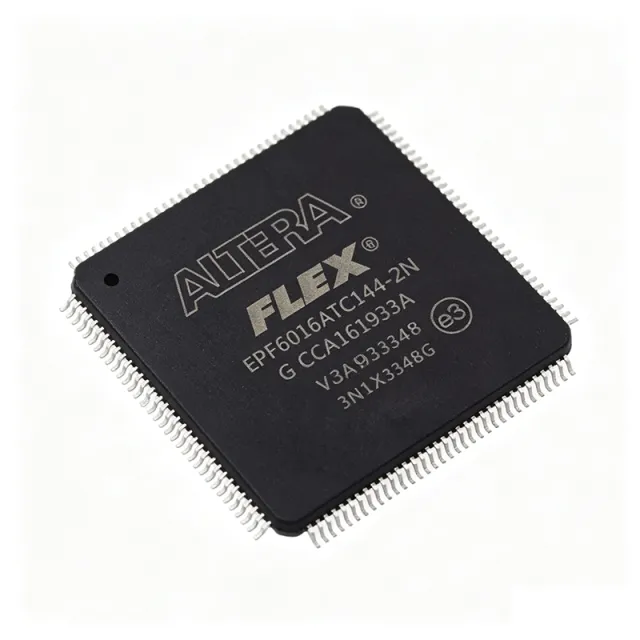
Comparaison des spécifications
| Paramètre | EPF6016ATI144-2 | EPF6016ATC144-2 |
|---|---|---|
| Marque | Altera | Intel |
| Catégorie | FPGA & CPLD | FPGA & CPLD |
| Statut du cycle de vie | NRND | Actif |
| Statut du stock | In Stock | In Stock |
| Prix unitaire (USD) | $9,40 | $13,85 |
| Family | FLEX 6000 | OptiFLEX architecture |
| Typical Gates | 16,000 | 16,000 |
| Logic Elements | 1,320 | — |
| User I/O Pins | 117 | — |
| Dedicated Inputs | 4 | — |
| Fréquence d'horloge maximale | 153 MHz | — |
| Technology | 0.42 µm CMOS SRAM | — |
| Tension d'alimentation | 3.0 V to 3.6 V (nominal 3.3 V) | [DATA_NEEDED: core and I/O supply rails] |
| I/O Tolerance | 5.0 V tolerant | — |
| Température de fonctionnement | -40 °C to 100 °C (Industrial) | 0 °C to +85 °C (commercial) |
| Boîtier | TQFP-144 | 144-pin LQFP (LFQFP) |
| Terminal Pitch | 0.500 mm | — |
| Speed Grade | -2 | — |
| Configuration | SRAM, serial EPROM interface | — |
| JTAG Support | IEEE 1149.1 boundary-scan | — |
| Statut RoHS | [DATA_NEEDED: rohs status] | [DATA_NEEDED: not specified in verified data] |
| Configuration Method | OptiFLEX architecture, in-system programmable | — |
| Manufacturer | — | Intel (formerly Altera) |
| Series | — | FLEX 6000 |
| Device Type | — | FPGA - Field Programmable Gate Array |
| Maximum Logic Elements | — | 24,000 |
| Logic Elements (LE) | — | 1,320 |
| Logic Array Blocks (LAB) | — | 132 (10 LEs each) |
| User I/Os | — | 117 |
| Type de montage | — | Surface Mount |
| Process Technology | — | 0.30 µm CMOS SRAM |
| Configuration Memory | — | SRAM (volatile) |
| Programming Interface | — | JTAG (IEEE 1149.1) |
| Lead-Free | — | [DATA_NEEDED: not specified in verified data] |