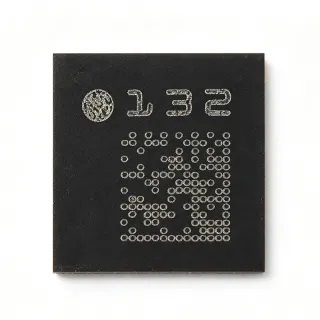
LIS2HH12TR - 3-Axis Accelerometer, ±2/±4/±8g | STMicroelectronics
N.º de pieza: LIS2HH12TR ✓ Activo| Cant. | Precio unitario | Total |
|---|---|---|
| 1 | $2.15 | $2,15 |
| 10 | $1.93 | $19,30 |
| 100 | $1.72 | $172,00 |
| 500 | $1.55 | $775,00 |
| 1.000 | $1.38 | $1.380,00 |
LIS2HH12TR Descripción general
An accelerometer is a sensor that measures proper acceleration, which is the rate of change of velocity per unit time. In the context of motion sensing, accelerometers detect linear acceleration along one or more axes, enabling applications such as orientation detection, vibration monitoring, and free-fall detection. The LIS2HH12TR is a MEMS (Micro-Electro-Mechanical Systems) capacitive accelerometer, which uses microscopic mechanical structures to sense acceleration-induced capacitance changes. As a member of the accelerometer family, it falls under the broader category of inertial sensors, which also includes gyroscopes and magnetometers. In a typical system hierarchy, the LIS2HH12TR serves as a motion sensor within the sensor subsystem, feeding data to a microcontroller or application processor via I2C or SPI.
Key features of the LIS2HH12TR include a low power consumption of 180 µA in normal mode, a wide supply voltage range of 1.71V to 3.6V, and a high-resolution 16-bit output. The device also integrates a 32-level FIFO buffer, which reduces host processor load by storing acceleration data for batch retrieval. Additionally, it includes an embedded temperature sensor and supports a wide operating temperature range of -40°C to +85°C. The LIS2HH12TR is RoHS compliant and halogen-free, meeting modern environmental standards.
Technically, the LIS2HH12TR utilizes a capacitive sensing element with a dedicated ASIC for signal conditioning and digital conversion. The device offers a noise density of 220 µg/√Hz, ensuring accurate measurements in low-vibration environments. It supports both I2C (up to 400 kHz) and SPI (up to 10 MHz) interfaces, providing flexibility in system integration. The built-in self-test feature allows for functional verification during production, enhancing reliability. The device also includes programmable interrupt generators for motion detection, enabling event-driven wake-up and sleep modes.
Typical applications include portable and wearable devices, IoT nodes, industrial condition monitoring, and automotive anti-theft systems. In portable devices, the LIS2HH12TR enables screen rotation and step counting, while in industrial settings, it monitors machinery vibration for predictive maintenance. Its low power consumption makes it suitable for battery-powered IoT sensors that require long operational life.
When designing with the LIS2HH12TR, ensure proper decoupling of the power supply with a 100 nF capacitor placed close to the VDD pin. The I2C address is selectable via the SA0 pin, allowing multiple devices on the same bus. For optimal performance, avoid mechanical stress on the LGA package during PCB assembly, and follow the recommended land pattern provided in the datasheet.
Alternativas directas para LIS2HH12TR — mismo encapsulado, compatible pin a pin. Se excluyen las piezas de otro encapsulado que requieren retrabajo de la PCB.
Variantes de esta serie
Modelos de la misma serie compatibles directamente con LIS2HH12TR (mismo factor de forma y huella) — difiere en FIFO Buffer, Interface, Noise Density, Resolution, Supply Voltage.
Herramienta de comparación rápida — seleccione piezas alternativas para compararlas lado a lado:
LIS2DH12TR
✅ Sustitución directa ⚠️ Especificaciones sin verificar✓ En stock
$0.67 / unidad
Ver hoja de datos →LIS3DH
⚡ Mismo encapsulado ⚠️ Especificaciones sin verificar📋 Alternativa de referencia (no en el catálogo)
FXLS8974CF
✅ Sustitución directa ⚠️ Especificaciones sin verificar📋 Alternativa de referencia (no en el catálogo)
LIS2HH12TR Valores máximos y características eléctricas
| Axis | 3-axis (X, Y, Z) |
| Full Scale Range | ±2g, ±4g, ±8g |
| Resolución | 16-bit |
| Tensión de alimentación | 1.71V to 3.6V |
| Current Consumption (Normal Mode) | 180 µA |
| Current Consumption (Low Power Mode) | 50 µA |
| Densidad de ruido | 220 µg/√Hz |
| Interfaz | I2C (400 kHz), SPI (10 MHz) |
| FIFO Buffer | 32-level |
| Temperature Sensor | Embedded |
| Temperatura de funcionamiento | -40°C to +85°C |
| Encapsulado | LGA-12 (2x2x1 mm) |
| Tipo de montaje | Surface Mount |
| Estado RoHS | Compliant |
| Sin halógenos | Yes |
Configuración de pines de LIS2HH12TR
| Pin 1 | VDD — Power supply (1.71V to 3.6V) |
| Pin 2 | GND — Ground |
| Pin 3 | SCL/SPC — I2C clock / SPI clock |
| Pin 4 | SDA/SDI — I2C data / SPI data in |
| Pin 5 | SA0 — I2C address select |
| Pin 6 | CS — Chip select (low for SPI, high for I2C) |
| Pin 7 | INT1 — Interrupt 1 output |
| Pin 8 | INT2 — Interrupt 2 output |
| Pin 9 | NC — Not connected |
| Pin 10 | NC — Not connected |
| Pin 11 | NC — Not connected |
| Pin 12 | NC — Not connected |
Aplicaciones típicas
LIS2HH12TR es adecuado para 6 aplicacións: Wearable Devices, IoT Motion Sensing, Industrial Condition Monitoring, Automotive Anti-Theft Systems, Portable Electronics, Robotics and Drones.
Wearable Devices
The LIS2HH12TR is ideal for wearable devices such as fitness trackers and smartwatches due to its compact 2x2x1 mm package and low power consumption of 180 µA. It enables step counting, activity recognition, and orientation detection. In a typical wearable, the accelerometer is connected to a Bluetooth SoC via I2C, with the FIFO buffer reducing host wake-ups. The low noise density of 220 µg/√Hz ensures accurate motion tracking even during subtle movements. Power consumption is critical in wearables; the LIS2HH12TR's low-power mode at 50 µA extends battery life significantly compared to higher-power accelerometers.
Recomendado
IoT Motion Sensing
In IoT applications, the LIS2HH12TR provides motion detection for smart home devices, asset tracking, and environmental monitoring. Its wide supply voltage range (1.71V to 3.6V) allows direct battery connection, and the programmable interrupt generators enable wake-on-motion, reducing system power consumption. The device's I2C interface simplifies integration with low-power MCUs. For battery-powered IoT nodes, the LIS2HH12TR's 50 µA low-power mode is essential for achieving multi-year battery life. The embedded temperature sensor also provides additional environmental data without extra components.
Recomendado
Industrial Condition Monitoring
The LIS2HH12TR is used in industrial condition monitoring to detect vibration and shock in machinery. Its ±8g full-scale range captures high-impact events, while the 16-bit resolution provides fine detail for vibration analysis. The device's SPI interface (up to 10 MHz) enables high-speed data streaming to an industrial controller. In a typical setup, the accelerometer is mounted on a motor housing, and the data is analyzed for abnormal vibration patterns. The wide operating temperature range (-40°C to +85°C) ensures reliable operation in harsh industrial environments. The FIFO buffer helps manage data bursts, reducing the load on the host processor.
Recomendado
Automotive Anti-Theft Systems
In automotive anti-theft systems, the LIS2HH12TR detects vehicle movement or tilt, triggering alarms. Its low power consumption is crucial for always-on monitoring, and the programmable interrupt can wake the system only when motion is detected. The device's AEC-Q100 qualification (if applicable) ensures reliability in automotive environments. The LIS2HH12TR's small size allows easy integration into existing ECU boards. The interrupt output can be connected directly to a microcontroller's wake-up pin, minimizing power draw during standby. The wide supply voltage range accommodates automotive battery voltage variations.
Recomendado
Portable Electronics
The LIS2HH12TR is used in portable electronics like smartphones and tablets for screen rotation, gaming, and step counting. Its high resolution and low noise ensure smooth user experience. The device's I2C interface is compatible with most application processors. In a smartphone, the accelerometer data is fused with gyroscope data for accurate orientation. The LIS2HH12TR's small footprint saves PCB space, allowing for thinner devices. The FIFO buffer reduces I2C traffic, improving overall system efficiency. The device's low power consumption extends battery life in always-on applications.
Recomendado
Robotics and Drones
In robotics and drones, the LIS2HH12TR provides acceleration feedback for stabilization and navigation. Its fast SPI interface enables real-time data acquisition, and the wide full-scale range (±8g) handles aggressive maneuvers. The device's small size and low weight are advantageous for aerial vehicles. In a drone, the accelerometer is part of the inertial measurement unit (IMU), providing data for attitude control. The LIS2HH12TR's low noise density ensures stable flight even in turbulent conditions. The interrupt outputs can be used for free-fall detection, triggering safety mechanisms.
Recomendado
Resumen de productos recomendados
Datos de referencia de ingeniería para LIS2HH12TR — comparación, orientación de diseño e información de cumplimiento.
Guía de selección
Comparación con alternativas
| Parámetro | Este producto | LIS2DH12TR | LIS3DH | BMI270 | FXLS8974CF |
|---|---|---|---|---|---|
| Package | LGA-12 (2x2x1 mm) | LGA-12 (2x2x1 mm) - same | LGA-12 (3x3x1 mm) - different | LGA-14 (2.5x3 mm) - different | LGA-12 (2x2x1 mm) - same |
| Brand | STMicroelectronics | STMicroelectronics | STMicroelectronics | Bosch | NXP Semiconductors |
| Full Scale Range | ±2g, ±4g, ±8g | ±2g, ±4g, ±8g | ±2g, ±4g, ±8g, ±16g | ±2g, ±4g, ±8g, ±16g | ±2g, ±4g, ±8g |
| Current Consumption (Normal) | 180 µA | 180 µA | 230 µA | 130 µA | 160 µA |
| Noise Density | 220 µg/√Hz | 220 µg/√Hz | 220 µg/√Hz | 180 µg/√Hz | 200 µg/√Hz |
| Interface | I2C, SPI | I2C, SPI | I2C, SPI | I2C, SPI | I2C, SPI |
| FIFO Buffer | 32-level | 32-level | 32-level | 1024-byte | 32-level |
| Operating Temperature | -40°C to +85°C | -40°C to +85°C | -40°C to +85°C | -40°C to +85°C | -40°C to +105°C |
Diferenciadores clave
- Smallest package in its class (frente a LIS3DH)
- Lower power consumption (frente a LIS3DH)
- Pin-compatible with LIS2DH12TR (frente a LIS2DH12TR)
Notas de diseño
Place a 100 nF decoupling capacitor as close as possible to the VDD pin (pin 1) and connect it to the ground plane. Additionally, a 1 µF capacitor can be added for better noise filtering. Ensure the ground plane is continuous under the LGA package to minimize noise and improve thermal performance.
Follow the recommended land pattern in the datasheet for the LGA-12 package. Avoid placing vias directly under the package to prevent solder wicking. Use a 0.2 mm stencil thickness for solder paste to ensure proper solder joint formation. The package is sensitive to mechanical stress, so avoid bending the PCB near the sensor.
Ensure the I2C address is correctly configured via the SA0 pin. If multiple devices share the bus, assign unique addresses. Also, verify that the CS pin is tied to the correct logic level for the desired interface (high for I2C, low for SPI). Failure to do so will result in communication errors.
Información de cumplimiento
RoHS and halogen-free per STMicroelectronics product page. Not AEC-Q100 qualified; for automotive use, verify with ST.