SN65HVD230QDRQ1 vs SN65HVD234DR Vergleich
Detaillierter Direktvergleich von SN65HVD230QDRQ1 von Texas Instruments und SN65HVD234DR von Texas Instruments. Vergleichen Sie die wichtigsten Spezifikationen, elektrischen Parameter, Gehäuse, Lebenszyklusstatus, Preise und Verfügbarkeit, um das beste Bauteil für Ihre Designanforderungen zu ermitteln.
Texas Instruments
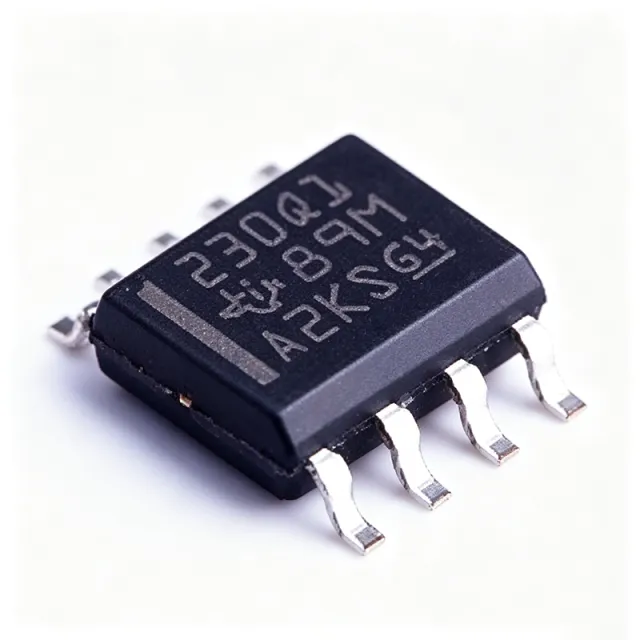
SN65HVD230QDRQ1 - 3.3V CAN Transceiver AEC-Q100 | Texas Instruments
SN65HVD230QDRQ1 ✓ AktivTexas Instruments
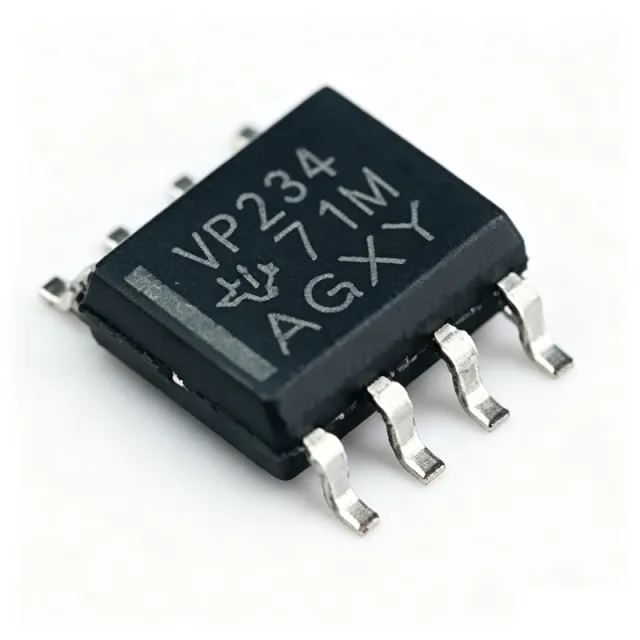
SN65HVD234DR - 3.3V CAN Transceiver 1Mbps w/ Sleep | Texas Instruments
SN65HVD234DR ✓ AktivSpezifikationsvergleich
| Parameter | SN65HVD230QDRQ1 | SN65HVD234DR |
|---|---|---|
| Marke | Texas Instruments | Texas Instruments |
| Kategorie | Interface ICs | Interface ICs |
| Lebenszyklusstatus | Aktiv | Aktiv |
| Lagerstatus | In Stock | In Stock |
| Stückpreis (USD) | $1,11 | $1,30 |
| Transceiver Type | CAN (Half-duplex, 1 driver / 1 receiver) | — |
| Datenrate | Up to 1 Mbps | — |
| Versorgungsspannung | 3.3 V | — |
| Standby Mode Current | 370 uA (typical) | — |
| Bus Pin ESD Protection | Exceeds 15 kV HBM | — |
| Device ESD Rating | Exceeds 2000 V per MIL-STD-883 | — |
| Protocol Compatibility | ISO 11898-2 High Speed CAN Physical Layer | — |
| Standby Mode | Yes (RS pin controlled) | — |
| Dominant Timeout | Yes | — |
| Slew Rate Control | Yes (RS pin) | — |
| Unpowered Node Behavior | Does not disturb the bus | — |
| Betriebstemperaturbereich | -40C to +125C | -40C to +125C |
| AEC-Q100 Qualification | Qualified (Automotive Catalog) | — |
| Gehäuse | 8-SOIC (D), 3.90 mm width | SOIC-8 (D) |
| Montageart | Surface Mount | Surface Mount |
| Packaging | Tape & Reel (DR) | — |
| Product Type | — | CAN Bus Transceiver |
| Protocol | — | ISO 11898-1 CAN 2.0A/B |
| Supply Voltage (VCC) | — | 3.0 V to 3.6 V |
| Logic Supply Voltage (VIO) | — | Not required (3.3V logic) |
| Maximum Signaling Rate | — | 1 Mbps |
| Number of Drivers/Receivers | — | 1/1 |
| Bus Fault Protection | — | +/-36 V |
| ESD Protection (Bus Pins, HBM) | — | >16 kV |
| Common-Mode Input Range | — | +/-12 V (extended) |
| Maximum Nodes Supported | — | 120 |
| I/O Logic Level | — | LVTTL, 5V-tolerant |
| Sleep Mode Supply Current | — | 0.05 uA (typical) |
| Standby Mode Supply Current | — | 370 uA (typical) |
| RoHS-Status | — | Compliant |
| Modes of Operation (RS Pin) | — | High-speed, Slope Control, Low-power Standby |
| Dominant Time-Out Protection | — | Yes |
| Thermisches Abschalten | — | Yes |